
Eliminating "Ghost Faults": The Critical Role of EMC Turntables in Anechoic Chambers
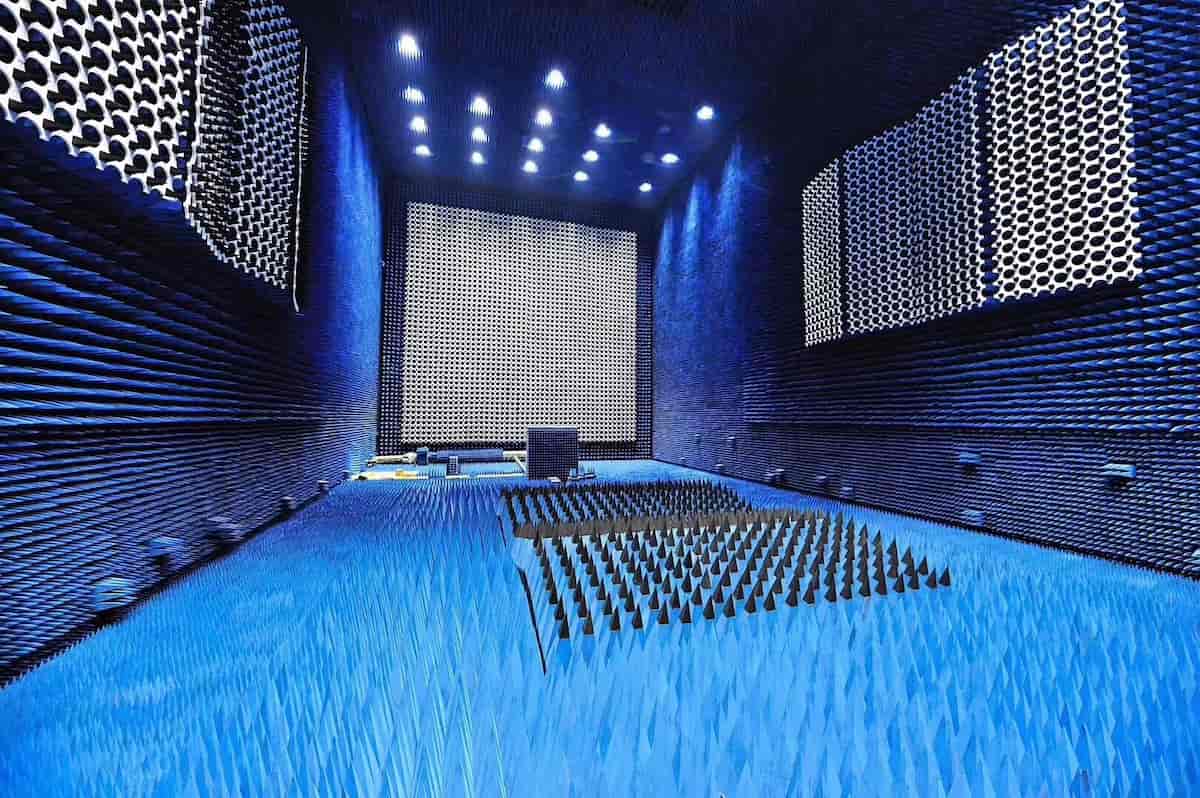
When you walk into a microwave anechoic chamber, the absolute silence is striking. It feels like the perfect, clean environment for testing. However, experienced engineers know that while the chamber provides a "clean environment," reliable testing data depends entirely on your ability to position the product accurately, stably, and consistently across various angles.
This is where the true value of a professional EMC Testing Turntable shines. It transforms the most unpredictable part of testing—product positioning—into a controlled, repeatable, and traceable standard procedure.
The Pain Point: The Frustration of "Ghost Faults"
In precise radar and EMC testing, standard turntables often become the problem rather than the solution. Electromagnetic reflections from the turntable's metal structures and the clutter generated by dynamic parts can easily pollute weak signals, leading to distorted test results. When data anomalies occur, engineers are left guessing whether it is a genuine product defect or simply turntable interference. This phenomenon of "ghost faults" traps R&D teams in an endless, frustrating cycle of repeated calibrations.
The Weizhong Solution: Low EMI & High Precision
Our Radar Testing & EMC Turntables are engineered specifically to eliminate these testing blind spots:
- Low Electromagnetic Interference: The turntable features extremely low electromagnetic background noise (Low EMI), ensuring it does not interfere with the capture of weak signals by precision sensors.
- Ultra-High Precision: Equipped with high angular displacement and repeat positioning accuracy (typically reaching the 0.01-degree level).
- Automated Scanning: It seamlessly integrates with testing software to achieve fully automatic, high-resolution spatial gain scanning.
Why Your Anechoic Chamber Needs a Dedicated EMC Turntable
1. Angles Become Data, Not Human Error
Manual adjustments introduce micro-deviations in angle or position. A turntable locks in the angle and rotation rhythm, ensuring data discrepancies are due to the product, not human handling.
2. Finding the "Worst-Case Scenario"
EMC risks hide in specific angles. A turntable allows for continuous multi-angle coverage without entering the chamber, quickly exposing peak emission angles for clear rectification targets.
3. Clear Validation of Improvements
Comparing pre- and post-rectification data under the exact same angular conditions provided by the turntable gives you the clean, undeniable proof you need that a fix worked.